One could say a coastal property in Queensland is much like a boat when it comes to seasonal upkeep; you would do well to inspect it on a regular basis, be prepared for water to make its way to any chink in the armour and not let a bit of rust go unheeded. The conditions here are unforgiving. Between the salt air and the tropical storms, roofs, metalwork, paint, seals and even the garden will succumb to wear and tear at a rate that is unknown inland.
I am Callum Chapman. For most of my career I have been concerned with the practicalities of outdoor living and tropical weather, making sure people are safe and at ease. What follows is a guide to a sound maintenance routine for the homeowner, landlord or manager of a Queensland coastal property. Whether it is a permanent residence, a beach house or a holiday rental that is left to itself for weeks, this should prove useful.
Four times a year put in the time for a proper check and then act without delay if the weather turns. With the Bureau of Meteorology’s tropical cyclone season in effect from 1 November through to 30 April, one should have done the necessary summer preparations before the first warning is sounded and the wind has had its way with the patio furniture. Have a look at the latest from the BOM on tropical cyclones ahead of any major event.
Build A Routine That Works

There is no point in spending every weekend with a torch under the house; the idea is to put in place sensible inspections so that what might otherwise turn into costly storm damage is nipped in the bud. A good checklist for a coastal home will head off the need for hasty repairs and show you where the damage is creeping in, including the upkeep of metal gutters by the sea.
Put down some notes and take photographs of each inspection. For an empty beach house or when you are having an insurance conversation about a rental, it is invaluable. Should you be unable to get to the property, have a local on hand who can make quick work of it after a bad spell of weather.
The Four-Season Cycle
| Season | Priority | What to do |
|---|---|---|
| Summer | Storm and rain readiness | Roof inspection, test the drainage, clear overflow and secure anything loose. Put emergency access in order. |
| Autumn | Review for damage and corrosion | Exterior paint, screens, roofing and drains are all fair game as is salt corrosion and leaks. |
| Winter | Mould control and repairs | Have the tradesmen in, service the air conditioning, check for termites and see to the weatherproofing. |
| Spring | Get the roof and gutters in order | Trim back vegetation, examine seals, run a test on the downpipes and clean the metal gutters in readiness for the rains. |
Keep A Property Record
A log book for everything from pest treatment and pool equipment to the dates of roof and gutter work is all that is needed. Make a note of where you find rust, mould or a crack in the sealant. Every few months a photo from the same vantage point will show you any deterioration a cursory walk around will not.
It is the hidden side of things that catches most out. The front of a beach house can be presentable enough while the rear flashing or an air conditioner bracket is corroding away. Pay attention to the underside of eaves, balcony fixings, the side the weather hits and anywhere water is apt to collect.
Summer Storm Preparation
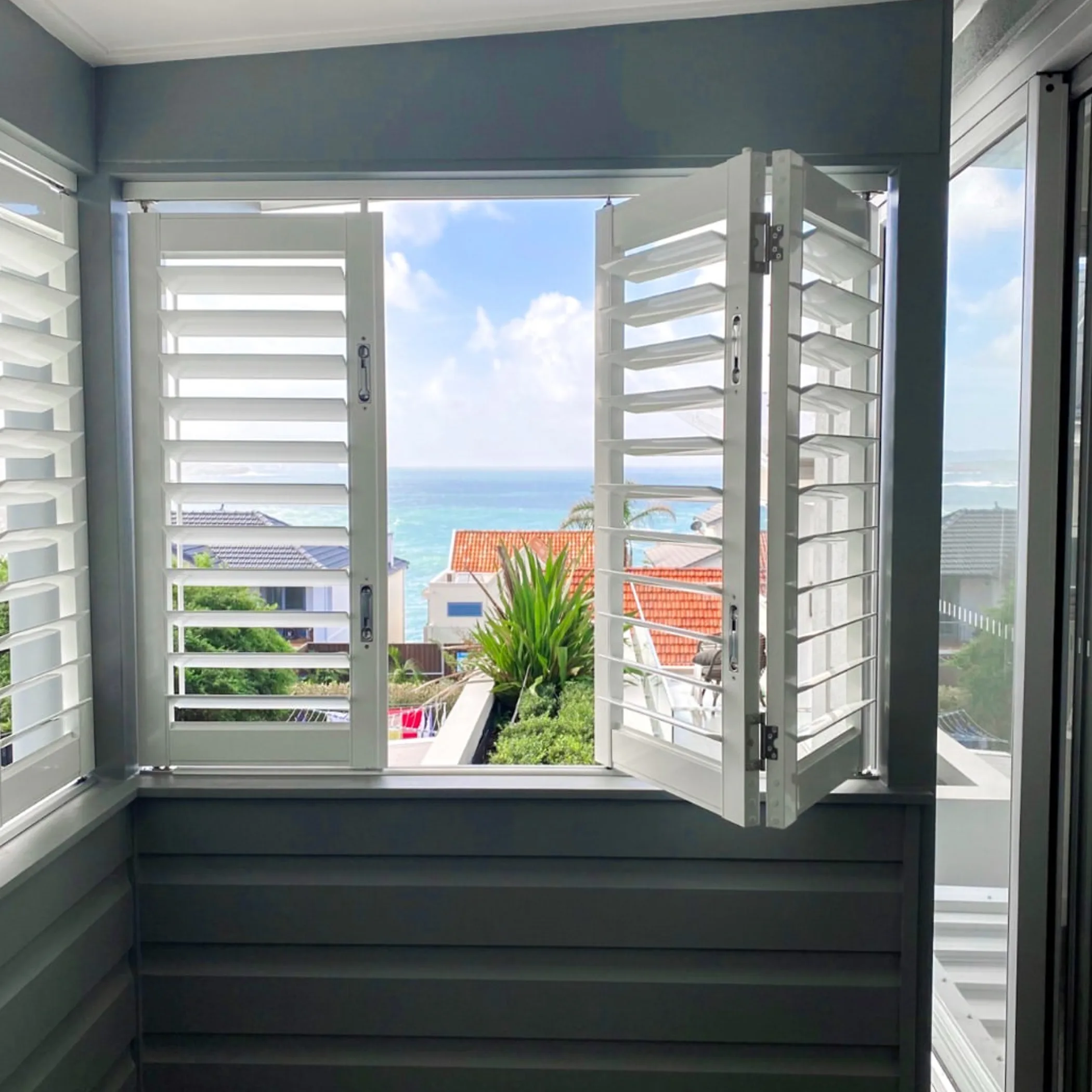
The mix of humidity, wind and the pressure to be cyclone ready makes for a demanding summer on the coast. Do not leave the important jobs to the last minute; once a warning is put out the hardware stores are as full as sardines and you will not find a tradie for love nor money.
Your pre-cyclone routine in Queensland should be about keeping water moving and minimising flying objects so the building is simple to put right later. A property that is in order is easier to protect and evacuate.
Secure The Outdoor Areas
Make a circuit of the block and put away or tie down whatever can be made airborne: tinnies, kayaks, tools, pot plants, umbrellas and building materials. Latch the carports and sheds and if you can, park the vehicles out of harm’s way of trees and the waterfront. As for large trees near powerlines, call in someone qualified to trim them rather than doing it yourself. See that the house number can still be read from the road come wind and rain and leave the path open for the trades and emergency services.
Test Water And Power
Before the forecast looks unappealing, check over the backup power, rainwater tanks and the sump and pool pumps. Make sure there is no debris in the grates, downpipes or roof valleys and that the downpipes are discharging clear of the foundations and not turning the area under the house to mud. Leave wet roofs and electrical gear well alone in a storm. One is not worth the kind of tale you might tell from an emergency room after a run in with a possum on a slick ladder; a proper safety inspection will do.
Autumn Damage And Corrosion
The season is ideal for seeing what the summer has wrought. There is no drama to some storm damage, it can be as unassuming as a roof sheet out of place, a spot on the ceiling, a loose bit of flashing or a door that has taken to sticking.
Then there is the matter of property maintenance in salt air once the storms have passed. Salt spray makes its way onto metal, glass, fixings and the like, and with the humidity to keep it at it, corrosion is hastened.
Inspect The Building Envelope
Have a look at the roof sheets, ridge caps, vents, skylights, solar fittings, fascia and eaves. You may find rust stains, discolouration, water marks in the ceiling or sealant that has cracked. Window seals and the tracks on sliding doors should be examined for grit or hardening.
When conditions are safe, put in a walk around the rooms in or just after a rain. A musty odour, paint that is bubbling, a damp cupboard or skirting boards that have swelled could be evidence of a leak originating above where one can see.
Wash Away Salt Deposits
Fresh water is needed to get the salt off any exposed walls, balustrades, metal fittings or outdoor furniture. A soft brush will suffice in places, then let it dry. Do not be tempted to use an aggressive pressure cleaner on window seals or painted timber; shoving water into a gap is hardly a success.
Pay heed to your metal gutters. In a coastal setting one needs to see to the joints, brackets and fasteners, and where the leaves have lain wet. If a section is badly corroded, put in a new one, do not just put paint over a hole. Make sure dissimilar metals at the connections are not causing further trouble.
Winter Repairs And Mould Control

For most homes on the Queensland coast winter is when to do the repairing. Access is better and the conditions are more to one’s liking, and there is time to get it done before the next wet season has its way.
Attend to the shortcomings autumn has put on display. Put off a “small” leak and you will find the ceiling, the insulation and the timber framing have something to say about it.
Fix Leaks And Drainage
See to any damaged roof sheets, downpipes, exterior paint, gutters or window seals. Make certain paved areas are not holding water up to the walls and that drainage is falling away from the building. After a heavy rain look over paths, steps and retaining walls for any washout or movement.
An elevated home warrants an under-look for termite activity, rusted brackets or damp timber. On a property by the tide one should check for wind-blown sand or saltwater in the odd corner a routine inspection would miss.
Control Damp Air
Do not just put a wipe to visible mould and mildew, improve the airflow. Run the exhaust fan in the bathroom, open up a room if the weather outside allows, move furniture from the external wall and put right any condensation on the seals.
Have the air conditioning serviced ahead of peak demand. A technician should be called in to look at anything amiss in performance or smell, and to check the filters and drainage. Should the mould be extensive, on porous material or come back in short order, a professional cleaning service is in order, but first deal with the moisture.
Check Pests And Timber
Put in for a termite inspection, especially where the structure is in contact with garden beds, mulch or timber steps. Termites are equal-opportunity tenants and make no allowances for a postcard view of the house. Keep dense plants and soil at a distance from the walls.
Examine the timber in your doors, frames, decks and stairs for swelling or a coating that has given way. Get the repairs made before the wet season or the moisture will make a small job of it into something else entirely.
Spring Roof And Gutter Checks

Before the likelihood of cyclones and summer rain increases, spring is the last chance to prepare. An inspection of the roof and drainage will stop water coming in at a time when the roads are under water and contractors have other demands.
Homeowners should not make a fall of a maintenance task. For high or fragile roofs get a professional on to it. What can be made out from the ground is only so much; if you suspect damage a qualified inspection is required.
Clear Gutters Safely
Get the gutters and downpipes in order ahead of the first real rain. Clear out the sediment and any nests and flush the system to be sure of discharge. Look for rust at the outlets and corners and see if the gutter brackets have moved.
Salt and wind-blown sand will mix with leaves and the odd bit of bird debris to form a tenacious sludge in coastal gutters, so they require more frequent cleaning than one would find inland. How often is a matter of the roof design, exposure and what trees are in the vicinity; as a rule, have them looked at before the wet season and once more in the wake of any sizeable storm.
Exterior Protection
Where exterior paint is on its last legs, put in a touch up. Do the same for cracked sealant and flyscreens that have seen better days. Be sure to look over latches, hinges, exposed screws, air conditioner brackets and light fittings. And be choosy about fasteners and coatings; a new layer of an unsuitable product is no defence against corrosion for long.
Do not neglect rainwater tanks, outdoor showers, fencing or pool equipment. Make certain tank lids, screens and overflow pipes are in order. Put an end to mosquito breeding by putting away any water holding containers left over from a rain.
Indoor Garden Safety
Then there is the indoor side of it. In a Queensland coastal home the work is not done until you have attended to kitchens, bathrooms, roof spaces and access areas where humidity, mould and stormwater can be as much of an issue as with the outside walls. It is as much a question of safety and comfort as looks; a functioning smoke alarm and a clear path will do more to head off trouble than a newly painted fence.
Vegetation And Access
Keep roofs, walls and the like free of encroaching vines and dense growth through some vegetation management. You want unimpeded access to gas services, electricals, water meters and inspection points. For a remote property a key safe or some other arrangement will see authorised trades in without compromising security.
With a beach house that has been vacant for a while, it is prudent to make an inspection prior to reopening. See if there is any sign of storm damage, broken glass, water leaks or pest activity, and get rid of any spoiled food. Plan your travel sensibly: check the roads, give yourself time after rain and make sure local services are up and running before you go.
A Safety Sweep
- Smoke alarms, safety switches, security locks and outside lights should all be tested.
- Go over handrails, stairs, balconies and anything slippery around the pool and gates.
- Have a look at emergency contact details, torches, batteries and first-aid.
- Ladders, garden tools and the like should be put away where children and visitors cannot get at them.
Should time be short, concentrate on the roof, downpipes and drainage, and any loose items or apparent leaks out of doors. They are the ones most likely to deteriorate in hard winds or heavy rain. A novice would be ill advised to tackle DIY on a property with structural issues, an unsafe roof or live electrical faults.
Frequently Asked Questions
In the course of helping people put their coastal homes in order these are the questions I am put. The answer is generally straightforward: treat salt and water as maintenance problems of a kind and act on them sooner rather than later.
How Often Should A Coastal Property Be Maintained?
At the very least a thorough inspection every season, and more when the weather is severe. Those near the beach or with trees about need a closer eye. Gutters should be cleaned ahead of the wet and then re-examined after a major storm.
Protecting Against Salt Air Corrosion
Fresh water is good for rinsing surfaces and getting at salt deposits. Any damage to paint or coatings must be mended without delay. Do not confine your inspection to the visible walls; look at the hidden brackets and fixings on an air conditioner or in the gutters and use something that will not corrode.
What Is On A Queensland Cyclone Checklist?
Make sure the roof is sound, put away anything loose in the yard, trim vegetation that is a hazard and see that you have your emergency supplies and important papers in order. Access arrangements should be in place. Heed the Bureau of Meteorology and Queensland authorities’ advice on evacuation and do not put off the basics until the warning comes.
Coastal Gutter Cleaning
If you see rust at the joins, or plants in the gutter and water going over the edge, it is time to attend to it. Exposed properties with trees and bird debris may call for it a number of times in the year.
Mould In Humid Homes
Ventilate, run the exhaust fan, put the air con in good order and fix any leak. Furniture should not be left against a damp wall. To clean the mould and leave the humidity is a pyrrhic victory at best.
Keeping The Property Ready

There is no point in trying to be perfect with a seasonal checklist for a Queensland coastal property. It is to stave off a repair bill with opinions by making regular checks before the elements have their way. Put in your summer storm prep, autumn damage checks, winter repairs and spring work on the roof and gutters. Get a qualified trade for the high risk jobs and react after bad weather. That is how you keep the building and your home in shape for the next wet season and the mozzies that come with it.