In a word, the regulations and licensing for 2026 in Australia are straightforward: have your High Risk Work Licence in order, adhere to WHS and Australian Standards, manage any fall risks and see that the scaffold is properly inspected from start to finish. Then there is the 4-metre rule. It is well known but one should not think of it as some kind of talisman that renders every scaffold below it safe or exempt from a licence.
Callum Chapman here. You pick up on things from years of practical work outside; the problems tend to be in the small stuff. A piece of equipment put through its paces in a hurry, a damp surface, no handover record or someone with the attitude of “She’ll be right.” On a scaffold you would call that bad advice. This is a guide to the ins and outs of licensing, state variances and inspection obligations for an Australian workplace in 2026. Do make sure to check in with the regulator on where things stand before you put a crew to work.
The Rules
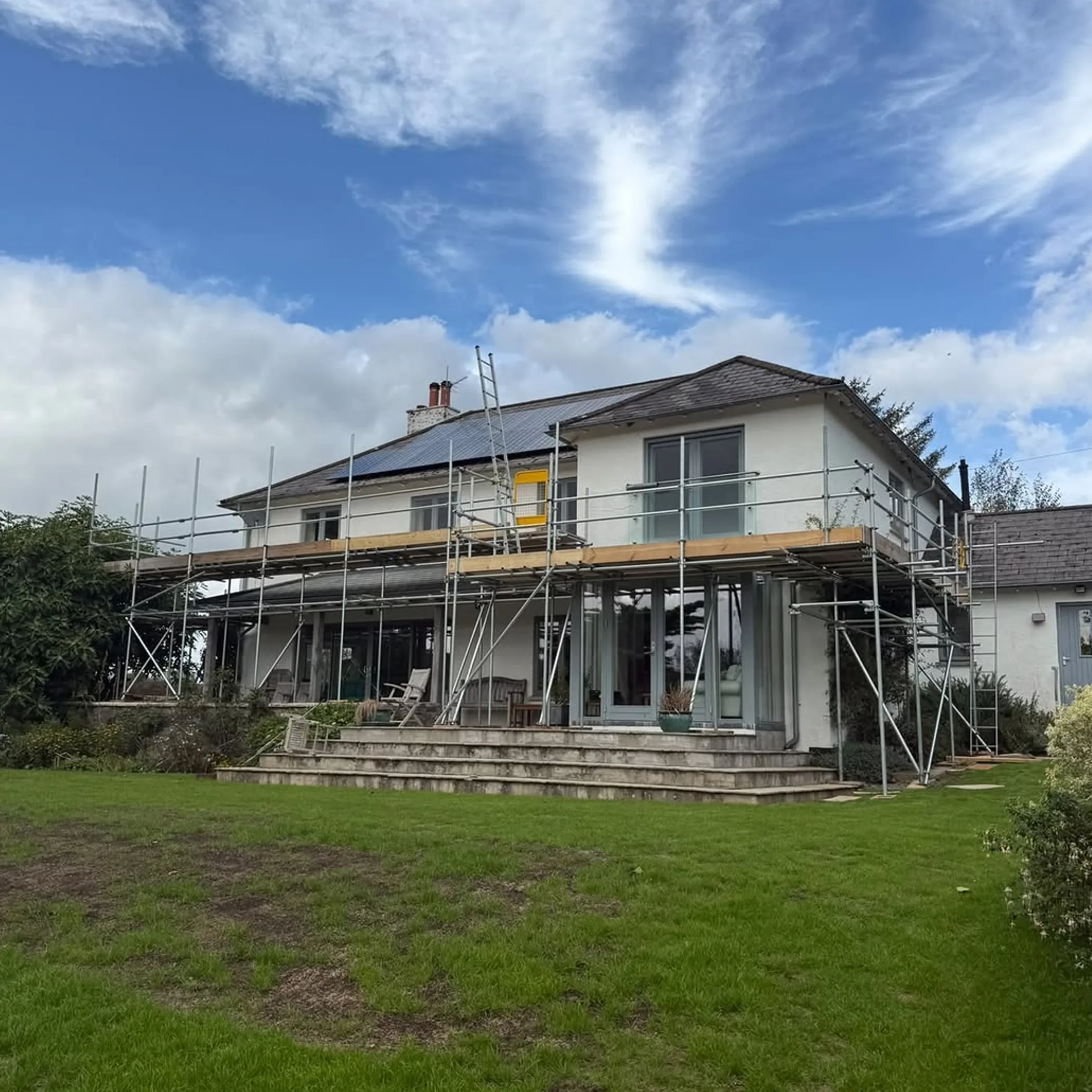
Compliance in this country is a matter of national model guidance and the technical standards, as well as the licensing and WHS laws of the individual states and territories. Safe Work Australia will set out the national position but it is the local regulator who has the legislation and licence system under his or her administration. For height-related duties, see the WHS height work regulations.
You are best served to consider the scaffold as both a work system and a temporary structure. It has to be put up right, fit for the load, free of fall hazards and within its working load limit, with a competent person to vouch for it.
The Four-Metre Rule
Work involving the erection, alteration or dismantling of a scaffold where something or someone can go over 4 metres will in most cases demand an HRW licence.
But do not take it that an untrained individual can put together anything under 4 metres. There are still Work Health and Safety obligations on the employer for supervision, training and the provision of safe plant. A scaffold of lesser height can tip, collapse or put workers in the way of electrical and falling object dangers.
Do I need a licence?
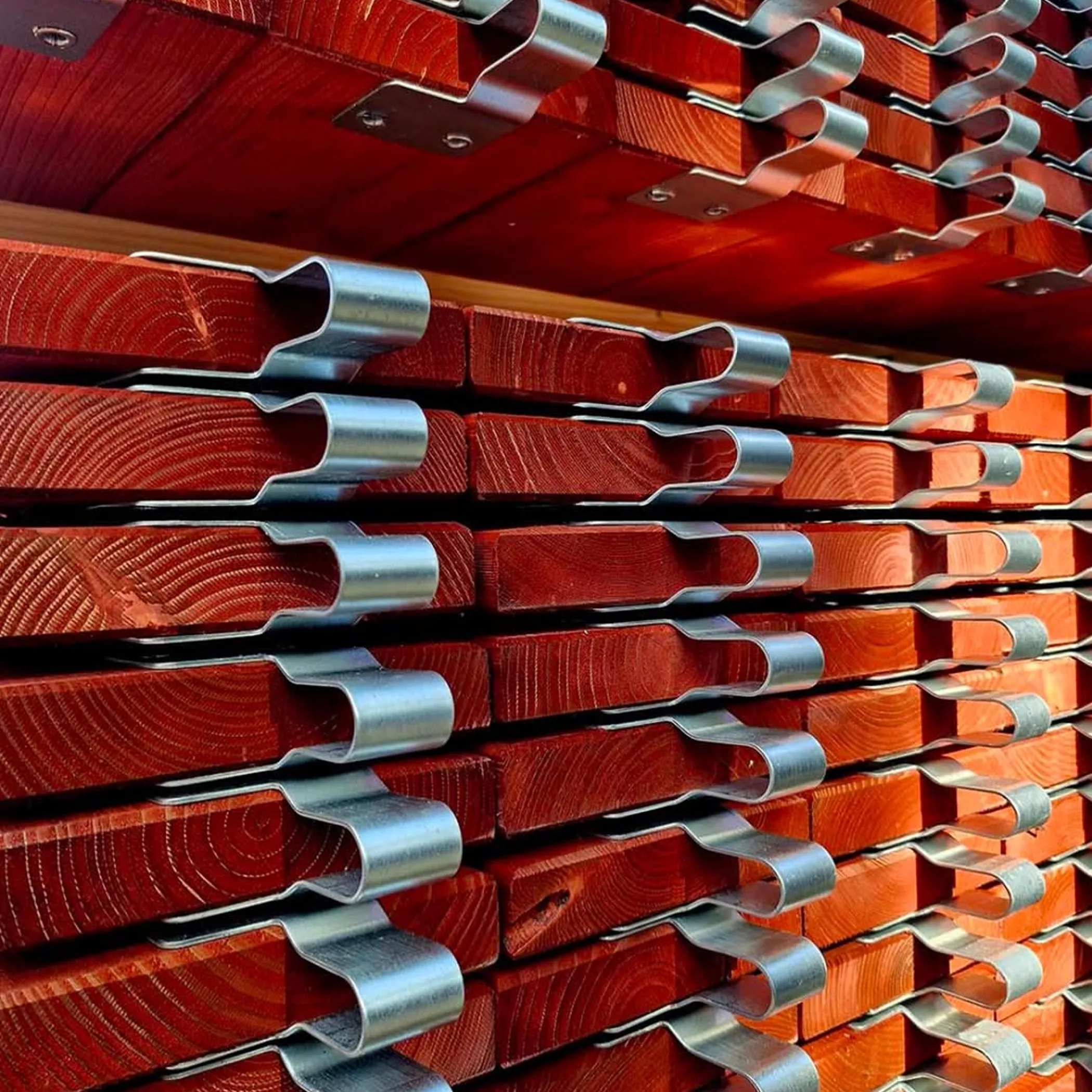
Asking “How high is the platform?” is only part of it. One has to factor in the type of scaffold, the jurisdiction, the nature of the work and any other high-risk activity. A scaffold might not be 4 metres tall but if it is tied to a higher structure, close to an edge or you are using a cantilevered hoist, you have risks that call for specialist planning and perhaps an engineer’s input.
The national framework is clear: anyone doing licensed scaffolding must possess the High Risk Work Licence from the appropriate regulator and of the right class for what is being put up or taken down. It is not a get out of jail free card for site induction or task training, nor does it give carte blanche to design a complicated temporary structure. Design and engineering certification are separate matters.
If you are working across a border, do not presume a card from one state will satisfy another. Look into the conditions and interstate recognition prior to mobilising.
A Word On The Classes
There are three you will come across in Australia: Basic (SB), Intermediate (SI) and Advanced (SA). What class you hold dictates the work you can do so enrolling in the least expensive course without regard for the scope is not cost effective. Get your training from a Registered Training Organisation that has the proper facilities for assessment of high-risk work. There is a difference between reciting “working load limit” and comprehending the way the load is distributed.
| Licence Class | Typical Scope | What To Check |
|---|---|---|
| Basic Scaffolding SB | Straightforward configurations and basic prefabricated systems of the type authorised. | Regulator requirements, system limits, height and the course scope. |
| Intermediate Scaffolding SI | Authorised systems and tube and coupler work of a more involved nature. | That the attachments, loading and planned structure are covered by the class. |
| Advanced Scaffolding SA | Complex work and advanced configurations calling for greater technical skill. | Regulator conditions, design verification, engineering and any specialist equipment. |
Take the table as a point of departure, nothing more. For the definitive answer refer to the licence unit descriptions or the regulator. There is always the possibility of a change in licence classes or the way administration is done, and in some instances a scaffold system will call for design controls to be put in place even if the worker has the requisite class.
Training Is More Than A Card
Proper training and certification in scaffolding means one is versed in all aspects of safe practice: from erection, alteration and dismantling to access, platform protection, stability, bracing, ties, loading and inspection. It ought to instil in a worker the ability to know when a job is beyond his competence.
One comes to appreciate in outdoor work that the gear is seldom the sole issue. A routine can become something else entirely with the onset of heat or wet weather, fatigue, poor lines of communication or a site that has been altered. The scaffold crew will tell you it is the same whether they are in Darwin in the wet, on a windblown coast or out in Tasmania on a cold morning.
Core Scaffold Safety Controls
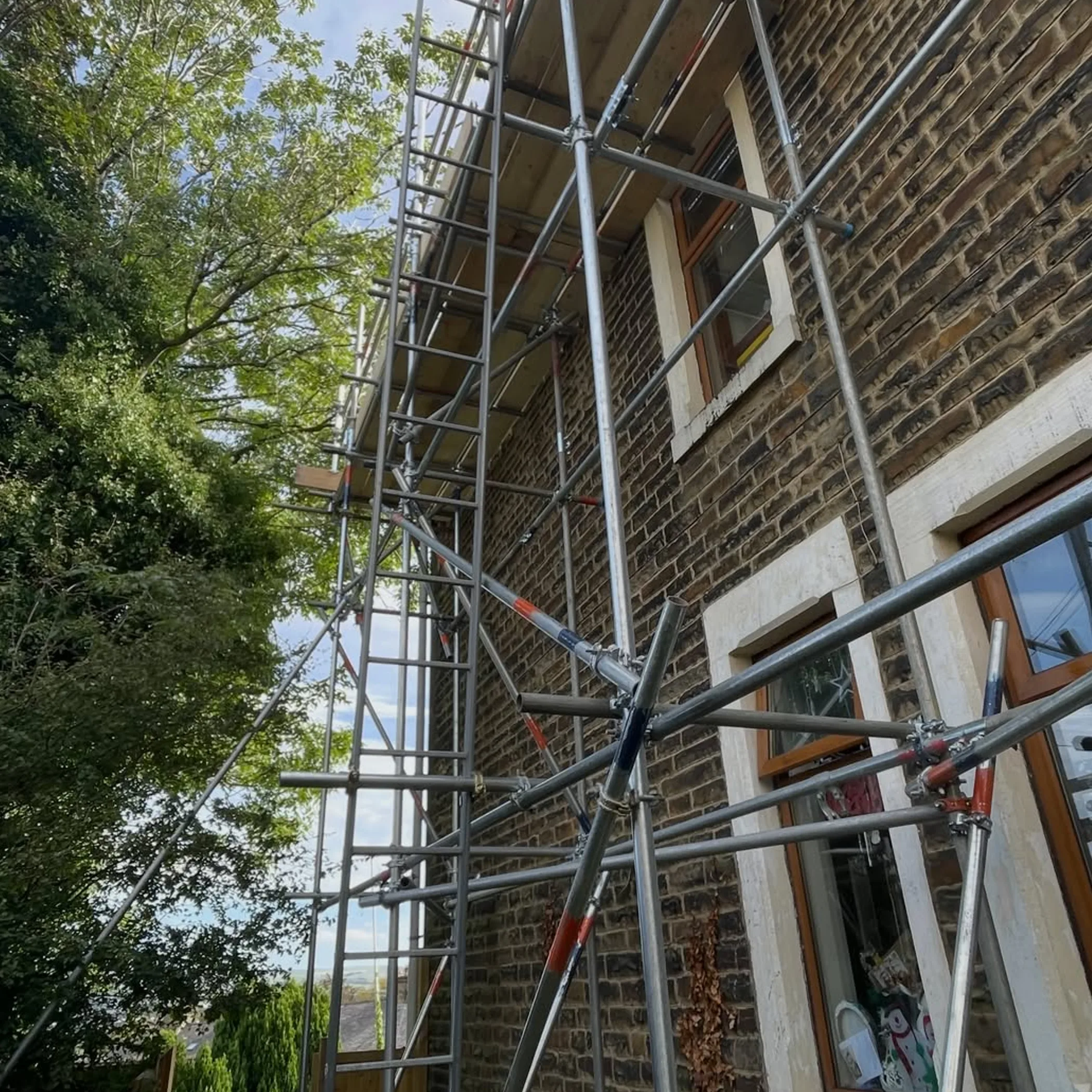
The rules in Australia are aimed at forestalling falls, structural failure, unauthorised changes, unsafe access and objects coming down. Hierarchy of control dictates that any superfluous work at height be done away with first and fall prevention employed before one puts faith in fall protection.
An employer would do well to have the work planned in advance of the components turning up. A scaffold yard may be in order but that does not make for a tidy site; what appears square from the ground can have shoddy foundations, be short of ties or have an overburdened platform.
Standards And Safe Planning
For the Australian and New Zealand market there is the AS/NZS 1576 series of scaffold standards, while AS/NZS 4576 offers guidance on scaffolding and its safe use. Before making use of them, confirm the current edition and any requirements that are referenced.
The work health and safety plan needs to cover off on everything from ground conditions, overhead services and traffic to public access, weather, manual handling, the risk of falling objects and emergency rescue, as well as the loads the scaffold is to take. A competent person will decide if engineering input is called for.
Under the model WHS framework a Safe Work Method Statement is normally in order for high-risk construction, say where a fall of over 2 metres is a possibility. Jurisdiction and the task at hand will dictate the legalities. The SWMS should set out the sequence of work, the hazards and controls, how supervision is to be provided and what happens if conditions alter.
Control Loads And Falling Objects
Do not put more on a platform than its working load allows. Tools, hoists, rendered material and bricks will soon surpass capacity. Design, anchorage and counterweights demand close scrutiny in the case of a cantilevered hoist or loading platform.
Basic controls include guardrails, midrails, toe-boards and sound decking. There are times when safety nets, static lines and personal fall protection are in order, but only if properly installed and inspected with the right anchors and a rescue plan in mind. As for personal protective equipment, it is a last resort, not an excuse to let a missing guardrail go by.
- Before using the scaffold, verify the class, the design and the working load limit.
- Make a check of the sole boards, foundations, ties, braces and the like.
- Ensure no unauthorised persons are about an incomplete or changed scaffold.
- Should there be damage or movement, or the weather has been severe, work must cease.
- All inspections and any repairs or handovers are to be put on record.
Inspection And Handover Duties
The reason for inspection requirements is that once a scaffold is handed over it is not set in stone. Other tradesmen will be putting up signs, moving planks, taking out ties or installing services. It might appear fine and yet the stability has gone.
It is to be inspected after erection or any repair or addition, and before it is first put to use. In Australia a 30-day cycle is de rigueur in scaffolding practice but that is no substitute for an inspection prompted by a change or damage; follow the law and the manufacturer’s information.
A Clear Handover
The handover certificate will make note of the location, intended use, load class, who is responsible and any limitations. A sign at the access is useful to convey status but is not evidence of safety once the scaffold has been altered.
Some would have you believe an inspection is a matter of looking at it from the ground. A thorough one takes in the whole structure, the surroundings, the ties and any unauthorised modifications. Where the inspector is not satisfied as to its safety, the scaffold is to be put out of service.
State And Territory Differences
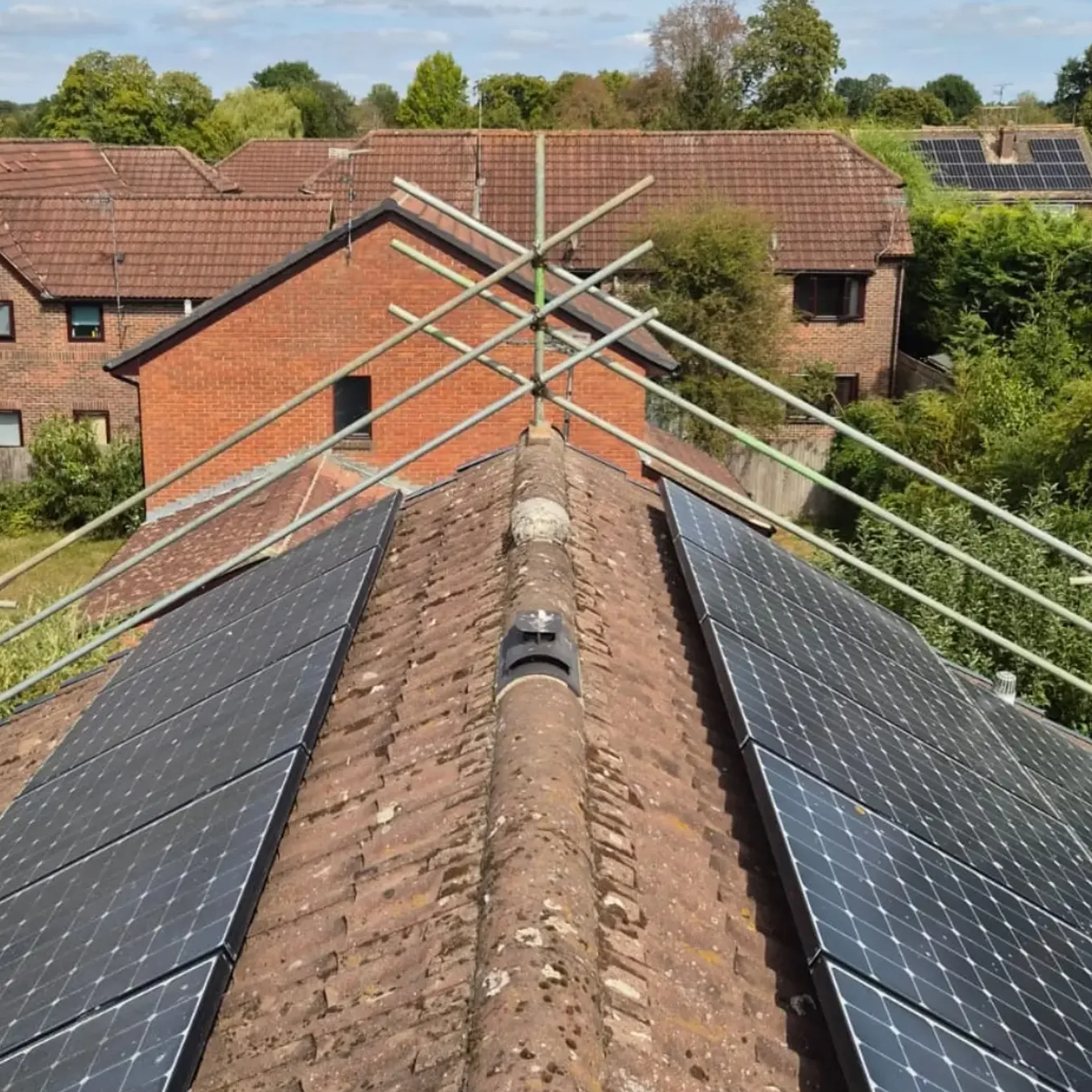
In broad terms the principles are the same in the scaffolding regulations of NSW, Victoria and WA, but in matters of compliance, forms and licence administration the regulator will be different. You may find the paperwork required of you is not the same for the same scaffold depending on where it is being put up.
Start at the national level with Safe Work Australia and from there put the local position to the test with the regulator in question, be it SafeWork NSW, WorkSafe Victoria or Western Australia, SafeWork SA, or the equivalent in Queensland, Tasmania, the ACT and the Northern Territory.
The Local Regulator
In New South Wales a business would do well to look to SafeWork NSW for guidance and make use of the Licence Check to put a worker’s licence status beyond doubt. For those in Victoria, requirements are to be confirmed with WorkSafe Victoria. Operators in South Australia should refer to SafeWork SA, not least when local plant and construction rules come into play.
WorkSafe Western Australia is where one goes in that state to get up to speed on present day requirements, construction obligations and the running of high-risk work licences. As for sites in the Northern Territory, account must be made of the locality: remote access, emergency response and the sort of conditions one finds in the north from November to April in the way of cyclones and wet-season storms.
A search for WHS height work regulations will turn up some general guidance but do not be taken in by a headline; it is not a national licence category in its own right. Look at the fall risk, the task and the jurisdiction.
Licences And Site Records To Verify
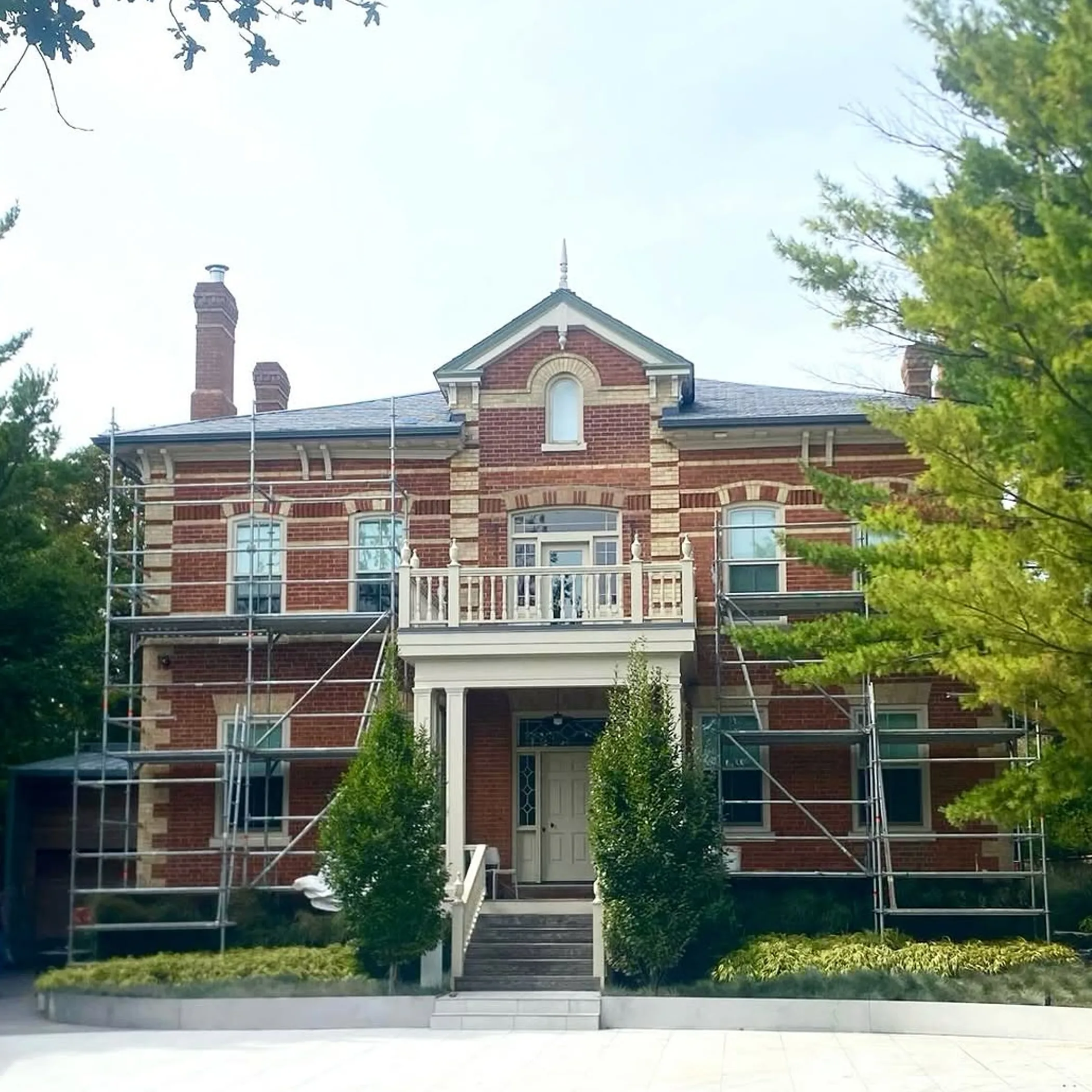
It is better to have done the verification before the worker is on site than after an incident has occurred. The plan for the scaffold should accord with what is on paper as to the person’s identity, any restrictions, the class and standing of his licence and so on.
For anything authoritative on work health and safety, the official guidance from Safe Work Australia is the place to begin and one can follow their direction to the state or territory regulator.
A Matter Of Practical Compliance
There is merit in having all the pertinent documentation in one place: the SWMS, design of the scaffold, inspection and repair reports, photographs, the handover certificate and the like. It is a good way to put on record what was known and by whom.
- Make sure you know the work location and jurisdiction.
- Determine the attachments, loading, type and height of the scaffold.
- See that the worker holds the correct licence and class.
- Have the SWMS and any engineering or design information in order.
- Once the scaffold is erected, inspect and tag it and then hand over.
- Any damage, stability issues or bad weather will call for a reinspection.
Speed is no virtue on a one-day job. Before the first tool is put to use, the ground, overhead services, guardrails and platform need to be confirmed. A small job is no reason for a novice to put up or change a licensed scaffold; leave it to a trained and authorised individual who is properly supervised.
Some Questions Asked
What are the standards?
The AS/NZS 1576 series is the principal standard for scaffolds, with AS/NZS 4576 for practice. See to it you are using the applicable edition and if the engineer, project specification or the regulator has something else to add.
How high can one go without a licence?
Four metres is the usual trigger for a potential fall. But an employer is still under an obligation to see that work is safe and equipment is suitable, even if it is “under 4 metres”. There may be other hazards calling for specialist controls.
Safety rules in brief?
Employ competent people and the proper system, with good foundations and bracing, toe-boards, guardrails and load controls. Fall prevention is to be preferred to protection and unauthorised changes are out of the question.
When does an inspection become necessary?
After the scaffold is put up or changed, following a repair or impact, or if the weather has been severe, and at whatever interval the law or a risk assessment deems fit (30 days is typical). If the situation has altered in any way, an event-based inspection is called for.
Is a handover certificate sufficient in the eyes of the law?
Not at all. It is a record of the scaffold’s condition and intended use at that time. It is no substitute for maintenance, safe loading or for taking action if the scaffold has been damaged.
Routine Compliance
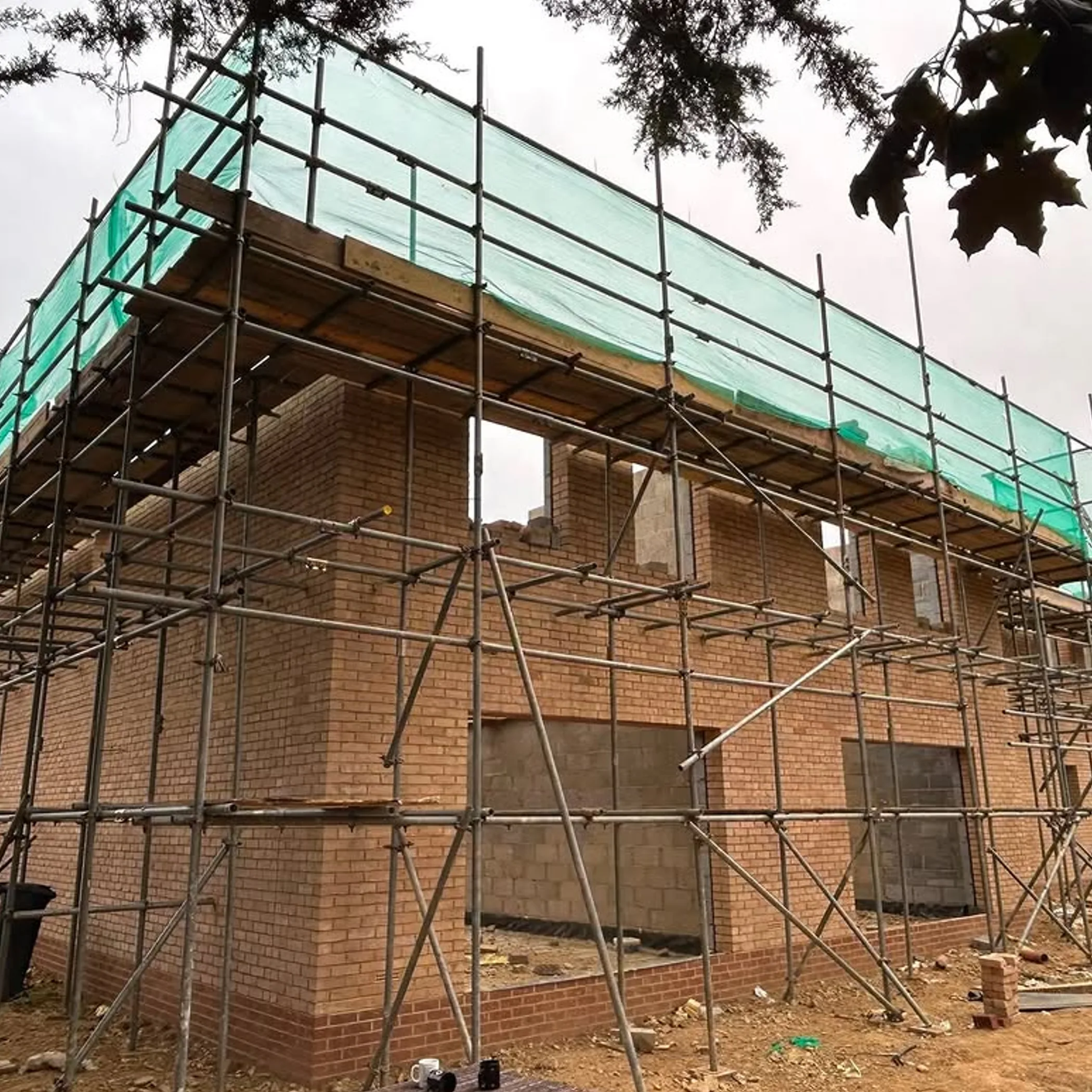
In my experience, safe scaffolding is a case of disciplined preparation: the proper licence and controls, the right scaffold and a record of events. The 4-metre mark is a guide to licensed work but sensible safety is observed below it.
I am Callum Chapman and I have found the plan that can be relied on is seldom a glamorous affair. One checks the details and the weather, puts a question to it if it seems amiss and does not let a deadline dictate a matter of safety. On a scaffold that is not being fussy, it is what sees everyone down safely at day’s end.